
Keto Diet: Low Carb Recipes
kiran chavanFood & Drink
4.51.01K Reviews
- Version
- 18.5
- Installs
- 500.00K
- Age Rating
- Everyone
Screenshots
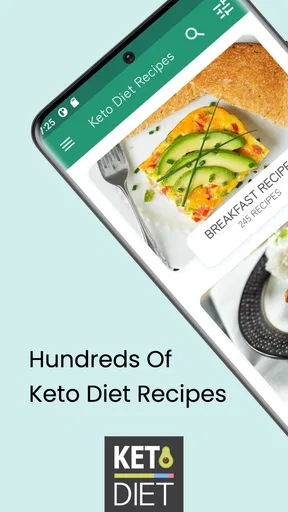
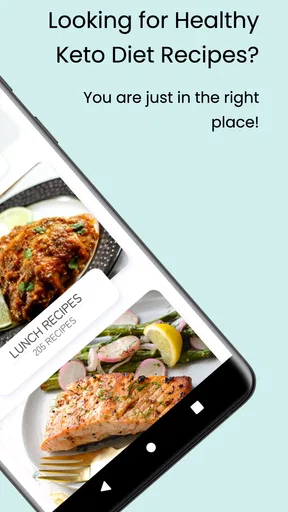
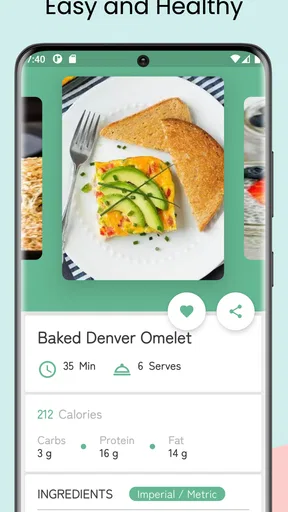
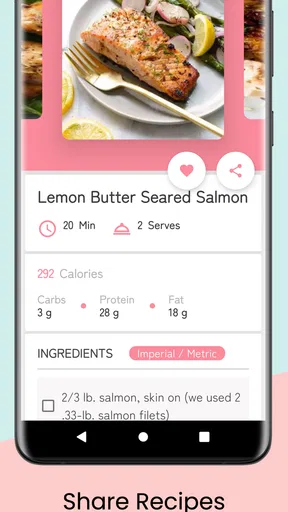
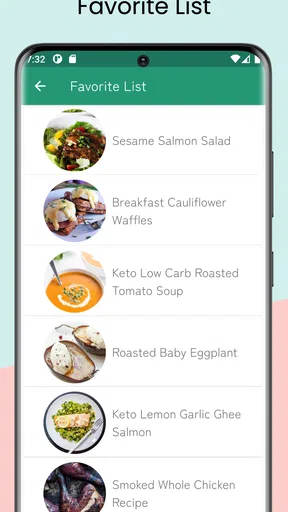
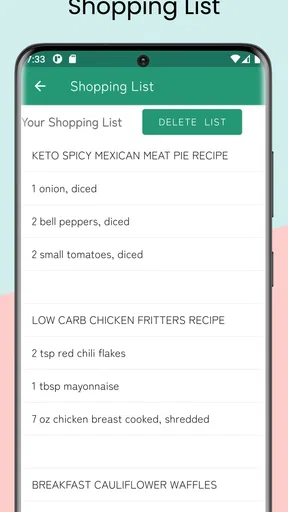
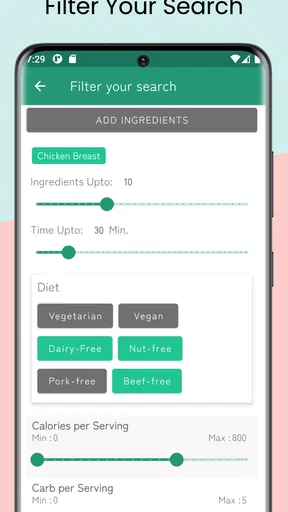
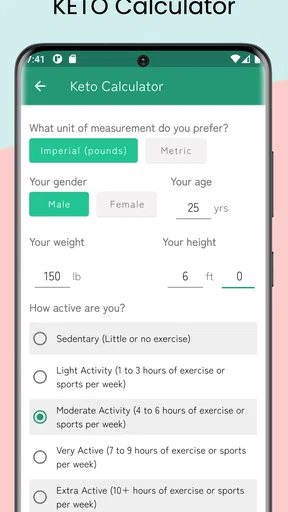
Our Review of Keto Diet: Low Carb Recipes
 Analysis by Appyee
When I try a recipe app for a specific eating plan, I want to know more than whether it contains attractive meal ideas. I want to see how quickly I can move from “What should I cook?” to a realistic plate on a busy day. Keto Diet: Low Carb Recipes is built for that exact starting point: it is a free Food & Drink app from developer kiran chavan, aimed at people looking for lower-carbohydrate keto meals. I found its biggest value in giving a keto beginner a focused place to browse instead of forcing every search through general recipe apps.
The app has reached over half a million installs and holds a 4.5 average from around 5.7 thousand ratings, which suggests that its straightforward purpose connects with many users. It is rated for Everyone, so the presentation is accessible rather than aimed at a specialist audience. That does not make keto itself suitable for every person, though. I would treat the app as a recipe and planning aid, not as medical advice or a replacement for guidance from a qualified professional.
Getting past the first points of friction
I’d use this section to make the first few steps feel manageable: check that the phone is compatible, decide what kind of meal ideas I need, and browse with the ingredients and time I actually have. That simple approach helps separate setup snags from a genuine mismatch with the app’s keto-focused recipe collection.
What I would check before judging the app
The first useful setup check is simply making sure the phone meets the app’s requirements. The current version is 18.5 and it needs Android 9 or newer. If installation fails, the problem may be the operating system rather than the recipe content. Checking the Android version before troubleshooting saves time, especially on an older spare phone that may still be used in the kitchen.
I would also begin with a clear goal. Someone who wants a complete nutrition tracker, a shopping service, or a personalized medical diet may feel disappointed if they approach this as though it were a full health-management platform. Its strength is the keto recipe focus. I get better results when I use it to answer practical questions such as what to cook for breakfast, how to vary dinner, or where to start when ordinary high-carbohydrate meals no longer fit my plan.
The app is free to install, although in-app purchases range from $1.99 to $11.99 per item. That matters when deciding how deeply to rely on it. I would explore the free experience first and only consider an optional purchase if it clearly improves the way I personally choose recipes. A free download should not automatically be treated as an entirely cost-free experience, so checking any purchase prompt before confirming it is a sensible habit.
Another small but important check is ingredient reality. Keto recipes can look simple on a screen while depending on ingredients I do not normally keep at home. Before choosing a meal for a rushed evening, I would scan the full recipe and compare it with my cupboard, refrigerator, and local shopping options. This prevents the common mistake of selecting a dish because the title sounds convenient, then discovering that the essential ingredient is missing when I am already hungry.
How I use it without turning dinner into a research project
My preferred workflow is to browse when I have time, then choose meals according to the day ahead. For a workday, I look for something with manageable preparation rather than picking the most interesting-looking recipe. For a weekend, I can afford to try a dish that needs more attention. This sounds obvious, but separating “inspiration” from “tonight’s dinner” makes the app feel much more useful.
I also keep a short mental filter while browsing: protein, vegetables, fat source, preparation effort, and whether the ingredients are realistic for my budget. The app can help me discover a recipe, but it cannot decide whether I have the time or equipment to make it. That final judgment is where the user still needs to do the work.
A practical routine is to choose one breakfast, one lunch, and two dinner ideas before shopping. I would then write down overlapping ingredients rather than buying everything needed for unrelated recipes. This reduces waste and makes the app more helpful than random scrolling. For example, if several meals use the same type of leafy vegetable or a familiar protein, planning around that overlap can make a keto week easier to maintain.
When a recipe seems wrong or the workflow breaks
Recipe apps are easiest to blame when a meal does not fit my expectations, but there are several different problems that can look identical. If a recipe does not load properly, I would first close and reopen the app, check the internet connection, and try again later. If only one item behaves oddly while other content opens normally, I would avoid assuming that the whole app is unusable.
If the app does not install or update, I would return to the basic checks: available phone storage, a stable connection, and Android compatibility. Those are ordinary fixes, but they are more useful than repeatedly tapping the install button. I would also avoid clearing app data immediately, because that can remove local settings or progress if the app stores any on the device.
When I lose track of a recipe I intended to cook, I recover by rebuilding the plan from the ingredients I already have. Instead of searching for the exact dish again, I look for another suitable idea using the same main ingredient. This is one of the better ways to use a focused recipe catalog: it can turn an imperfect shopping trip into a workable meal rather than making me abandon the plan completely.
There is also a difference between a recipe being unavailable and a recipe being unsuitable. A dish may open perfectly but still require substitutions, a different cooking time, or a portion adjustment. I would make those changes carefully and keep an eye on hidden sources of carbohydrates in packaged sauces, seasoning blends, and ready-made ingredients. The app can provide the starting point, but the label on the product in my kitchen remains the more immediate source for what I am actually eating.
When the difficulty is not the app
Some frustrations come from keto cooking itself. A person moving from a conventional diet may expect familiar meals to translate directly, but replacing bread, pasta, rice, or sugary sauces changes texture and preparation. If the first few recipes feel repetitive, that does not necessarily mean the catalog is poor; it may mean I need to search by cooking style or main ingredient rather than expecting one substitute to behave like the original food.
Portion expectations can cause another problem. A recipe may be low in carbohydrates yet still be too large, too rich, or poorly balanced for an individual’s needs. I would not use a recipe label as permission to eat unlimited amounts. People managing diabetes, taking medication, pregnant people, and anyone with a medical condition should get personal advice before making major dietary changes. A general recipe app cannot account for those individual factors.
Ingredient substitutions deserve the same caution. Swapping one vegetable for another may be straightforward in a casual meal, but replacing a packaged ingredient can change the carbohydrate content, allergens, or cooking behavior. I would start with simple substitutions and check labels when the ingredient is processed. If a recipe depends on a particular texture, replacing several ingredients at once can make it difficult to know why the result failed.
There is also a lifestyle issue. Someone who dislikes cooking, has no kitchen access, or needs tightly calculated nutrition information may be better served by a meal-planning service or a dedicated nutrition tracker. A general recipe collection is more flexible, but that flexibility means I have to make more decisions. For me, that is useful; for someone seeking exact daily targets and automatic logging, it may feel like extra work.
How it compares with ordinary recipe searches
The main advantage over a general web search is focus. Searching the wider internet for “keto dinner” often produces a mixture of genuinely suitable recipes, loosely labeled alternatives, advertisements, and pages that take a long time to reach the actual instructions. This app narrows the subject immediately, which is valuable when I want ideas without sorting through unrelated results.
Compared with a broad recipe app, it is less useful for a household with several different eating styles. A general platform may be better when I need vegetarian, family-friendly, budget-specific, and non-keto meals in the same place. Keto Diet: Low Carb Recipes makes more sense when the dietary theme is the reason I opened the app in the first place.
It also differs from a nutrition-tracking app. A tracker is usually the better choice when my priority is recording everything I eat, monitoring daily totals, or checking a detailed personal target. This app is better at answering the earlier question: what could I prepare? I would happily use both types of tool together, but I would not expect one to replace the other.
Printed cookbooks still have an advantage in the kitchen because they do not depend on a phone screen or a connection. On the other hand, an app is easier to carry, search, and revisit while shopping. My practical compromise would be to use the app for discovery and keep a small list of dependable meals elsewhere for days when I want zero browsing.
Everyday use: a realistic weeknight example
Imagine getting home late with chicken, leafy vegetables, eggs, and a few basic pantry items. I would open the app, look for a recipe that uses the chicken as its anchor, and reject anything requiring a long list of ingredients or unfamiliar equipment. Once I find a workable option, I would read the instructions from beginning to end before heating the pan. That quick read often reveals whether the recipe is genuinely suitable for the time available.
If the chosen meal turns out to need an ingredient I lack, I would not keep restarting the search. I would use the same main ingredient and look for a simpler alternative, or prepare it with the vegetables I already have while checking that any sauce or seasoning fits my dietary needs. This recovery step is more realistic than treating every recipe as a fixed formula.
For the next day, I would save the lesson rather than only the recipe: perhaps I need faster lunches, fewer dairy ingredients, or meals that reheat well. The app becomes more valuable when I use it to learn my own pattern of successful choices. A catalog cannot know that I have only twenty minutes, but I can use repeated browsing to build a personal shortlist around that limitation.
Small habits that improve the experience
- Read before shopping: I check the complete ingredient list and preparation steps before adding anything to my basket.
- Plan by shared ingredients: I select several meals that overlap instead of buying one-off items for every recipe.
- Keep a fallback meal: I maintain one simple option for evenings when a new recipe takes longer than expected.
- Verify packaged foods: I check labels on sauces, seasonings, and substitutes rather than assuming that a keto-style name guarantees the same result.
- Separate recipes from medical targets: I use the app for ideas and seek professional guidance for condition-specific dietary decisions.
These habits address the most common friction points without pretending that an app can automate the entire diet. They also make it easier to tell whether I dislike a particular recipe, dislike the preparation time, or simply need a different kind of tool.
Who will appreciate it, and who should skip it
I think this app is a good fit for a beginner who wants a concentrated source of keto meal inspiration, especially someone tired of general recipe searches. It can also suit an experienced home cook who wants to break out of a small rotation and browse ideas organized around a low-carbohydrate approach. The free entry point makes experimenting less intimidating, while the Everyone rating keeps the presentation approachable.
I would be more cautious recommending it to someone who needs exact nutritional accounting for every serving, automatic meal schedules, or professional dietary supervision. It is also not my first choice for a family that wants one app covering many cuisines and unrelated dietary preferences. In those cases, a full nutrition tracker, a broader recipe platform, or advice tailored to the household would be more appropriate.
The purchase range is another reason to decide based on actual use rather than assuming that more content is automatically better. I would use the free portion long enough to see whether the recipe style matches my cooking habits. If browsing does not lead to meals I can realistically prepare, paying for additional items would not solve the underlying mismatch.
My practical verdict after using it
Keto Diet: Low Carb Recipes succeeds because it stays focused on a clear everyday problem: finding meal ideas within a keto-oriented framework. I like that it gives a beginner a more direct starting point than a broad search engine, and I can see it becoming a useful companion for weekly meal planning. Its best role is not to dictate a complete lifestyle, but to reduce the “what can I cook?” decision that often makes dietary changes harder.
The limitations are just as important. I still have to check ingredients, judge preparation time, adapt recipes responsibly, and verify packaged foods. The app should not be mistaken for a medical plan or a detailed nutrition log. Some users will find that manual decision-making helpful; others will want more automation and should choose a different category of app.
For a free Food & Drink download with a specific low-carbohydrate purpose, I consider it worth trying if keto recipes are what I am actively looking for. I would install it on a compatible device, test the free experience with a small shopping plan, and judge it by whether its recipes fit my real kitchen, schedule, and dietary needs. That approach gives the app a fair chance while keeping expectations grounded.
Verdict
Strengths of Keto Diet: Low Carb Recipes
- Large collection of keto-friendly recipes for different meal types.
- Simple ingredient lists make many recipes accessible to beginners.
- Helpful nutritional information supports daily carb tracking.
- Recipe photos make it easier to choose meals quickly.
- Useful ideas for breakfasts, snacks, lunches, and dinners.
Limitations of Keto Diet: Low Carb Recipes
- Some recipes may require specialty ingredients or kitchen equipment.
- Nutritional values can vary depending on brands and portion sizes.
- Limited options may appeal to users with allergies or dietary restrictions.
- Frequent low-carb meals can become repetitive over time.
- The app should not replace professional advice for medical conditions.
Other Releases by kiran chavan
View All
Healthy Dinner : 500+ Recipes
Food & Drink4.7
Similar Picks in This Category
View All
Rappi: Food Delivery, Grocery
Rappi, Inc - Delivery3.5

McDonald’s: Cupons e Delivery
Arcos Dorados4.3

Swiggy: Food Instamart Dineout
Swiggy4.7

Blinkit: Groceries & more
Blinkit4.8

foodpanda: food & groceries
Foodpanda GmbH a subsidiary of Delivery Hero SE4.0

Zomato: Food Delivery & Dining
Zomato4.7
Frequently Asked Questions
What is Keto Diet: Low Carb Recipes?
Keto Diet: Low Carb Recipes is a recipe and meal-planning app designed for people following a ketogenic or low-carbohydrate eating style. It provides ideas for breakfasts, lunches, dinners, snacks, and desserts, usually emphasizing ingredients such as meat, fish, eggs, vegetables, cheese, oils, and nuts. The app can be useful for beginners who need inspiration, as well as experienced users looking for new meals to add to their routine.
Does Keto Diet: Low Carb Recipes include meal plans or nutrition information?
The app is mainly focused on helping users discover and prepare keto-friendly meals, and many recipes may include useful details such as ingredients, preparation steps, serving suggestions, and estimated nutritional values. Depending on the version and device, some planning or tracking features may vary. Users who need precise carbohydrate, calorie, or macronutrient calculations should always check the information against product labels or consult a qualified nutrition professional.
Is Keto Diet: Low Carb Recipes suitable for beginners?
Yes, the app can be a convenient starting point for beginners because it gathers low-carb recipe ideas in one place and makes it easier to explore common ketogenic ingredients. However, new users should understand the basic principles of a keto diet before making major dietary changes. The recipes are a source of guidance and inspiration, not a personalized medical plan, so individual health conditions and nutritional needs should also be considered.
Can I use the app if I have allergies or specific dietary restrictions?
You may be able to adapt many recipes by replacing ingredients, but users should review every recipe carefully before cooking. The app may contain dishes with dairy, eggs, nuts, seafood, meat, or other common allergens, and not every recipe will automatically match vegetarian, vegan, halal, kosher, or allergy-specific requirements. If you have a serious allergy, verify ingredient labels and avoid relying only on the app’s recipe descriptions.
Is Keto Diet: Low Carb Recipes free to download and use?
The application may be available to download at no initial cost, although access to certain recipes, features, advertisements, or premium content can depend on the current version and its in-app purchase policy. Before downloading or subscribing, check the app store listing for pricing, trial terms, renewal conditions, and supported devices. Also remember that following a keto diet may involve additional grocery costs for specialized or higher-quality ingredients.
